Exploring the Rich Flavors of South Indian Cuisine: A Perfect Recipe Guide for APA Papers
Category : indianspecialty | Sub Category : indianspecialty Posted on 2023-10-30 21:24:53
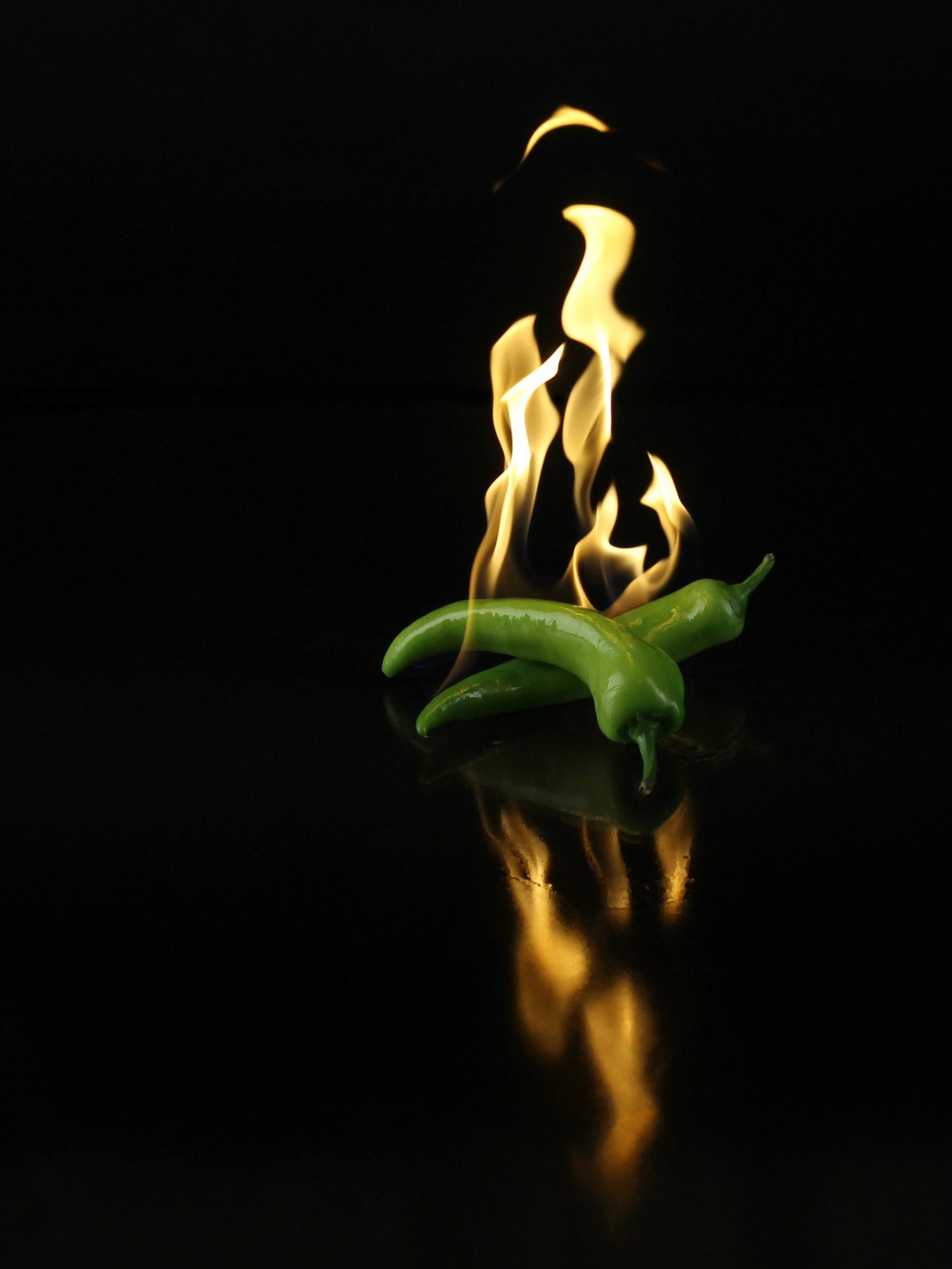
Introduction: South Indian cuisine is renowned for its vibrant flavors and enticing aromas. From spicy curries to fluffy idlis and crispy dosas, the cuisine showcases a delightful blend of ingredients and spices. Just like crafting a scrumptious dish entails a meticulously followed recipe, writing an APA paper requires attention to detail and adherence to specific guidelines. In this blog post, we will explore the parallels between South Indian cuisine and APA papers and present you with a perfect recipe guide to ensure your written work is as appetizing as the delicacies from the region. 1. Preparing the Ingredients: Just as a South Indian dish necessitates fresh and high-quality ingredients, an APA paper relies on credible sources and accurate information. Start by meticulously researching your topic, selecting reputable sources, and crafting a well-defined thesis statement. This groundwork will lay a solid foundation for your paper, ensuring it is rich in content and authenticity. 2. Crafting the Introduction: The introduction of your APA paper is like the appetizer that sets the tone for the entire meal. Just as a South Indian dish begins with a tadka or tempering of spices, your introduction should captivate your readers and provide them with a glimpse of what to expect. Craft a compelling opening statement, provide background information, and clearly state the purpose of your research. 3. Seasoning with Citations: South Indian cuisine derives its unique flavors from a blend of carefully selected spices. Similarly, an APA paper gains credibility and authority through appropriate use of citations and references. As you present your ideas, pepper your paper with in-text citations to acknowledge the sources you have used. Additionally, ensure you adhere to the APA formatting guidelines when compiling your reference list. 4. Add Depth with the Main Course: South Indian food is known for its diverse range of main course dishes, each bursting with distinct flavors. In the body of your APA paper, present your arguments, supporting evidence, and expert opinions. Each paragraph should delve deeper into the topic, offering a well-rounded analysis. Just as a perfectly balanced sambar complements a crispy dosa, ensure each point you make contributes to the overall coherence and flow of your paper. 5. Visual Appeal: The Presentation: South Indian cuisine is as visually appealing as it is delicious. Similarly, the visual presentation of your APA paper plays a crucial role in engaging your readers. Use clear and concise language, headings, subheadings, and bullet points to enhance readability. Break up lengthy paragraphs, and consider incorporating visuals such as charts or tables to present data in a visually appealing manner. 6. The Finishing Touch: Conclusion and References: No South Indian meal is complete without a sweet treat at the end. Similarly, conclude your APA paper with a concise summary of your main points, a restatement of your thesis, and a thought-provoking closing statement. Finally, ensure you list all the sources you used in your reference section, adhering to the APA citation style. Conclusion: Writing an APA paper can be as intricate and delightful as preparing a South Indian feast. Just as South Indian cuisine tantalizes the taste buds with its rich flavors, an APA paper captivates readers with its well-structured arguments and meticulous attention to detail. By following this recipe guide, you will be on your way to crafting a mouthwatering APA paper that is sure to leave a lasting impression. Happy writing and bon apptit! To learn more, take a look at: http://www.bestindianfoods.com For expert commentary, delve into http://www.apapapers.com
Leave a Comment:
SEARCH
Recent News
- Zurich, Switzerland is known for its multicultural atmosphere and diverse culinary scene. One of the lesser-known gems of Zurich's food scene is Sudanese cuisine. Sudanese cuisine is a reflection of the country's diverse cultural influences, blending Arabic, African, and Mediterranean flavors to create a unique and delicious culinary experience.
- Zurich, Switzerland: A Culinary Journey through Regional Cuisine
- Zurich, Switzerland is known for its stunning landscapes, rich history, and vibrant culture. However, another aspect of Zurich that shouldn't be overlooked is its diverse and delicious fast food scene. From traditional Swiss street food to international favorites, there is something to satisfy every craving in Zurich. Let's take a closer look at some of the popular fast food options you can find in this picturesque city.
- Zurich, Switzerland is known for its stunning natural beauty, vibrant arts scene, and strong economy. However, what many people may not know is that this dynamic city also offers a diverse culinary experience that includes delicacies from around the world. One such cuisine that has found a home in Zurich is Philippine cuisine.
- Zurich, Switzerland is known for its picturesque views, stunning architecture, and vibrant cultural scene. Located in the heart of Europe, Zurich offers a mix of traditional Swiss cuisine and international flavors. One particular cuisine that has been making waves in Zurich is Paraguayan cuisine.
- Zurich, Switzerland is a city known for its stunning views, picturesque streets, and vibrant culture. It is also a melting pot of diverse culinary influences, with a wide range of cuisines to choose from. One such cuisine that has made its mark in Zurich is Norwegian cuisine.
- Zurich, Switzerland, and Montreal, Canada, are two vibrant cities known for their distinct cultural characteristics. While Zurich is renowned for its picturesque landscapes, rich history, and high standard of living, Montreal is famous for its diverse population, vibrant arts scene, and mouth-watering cuisine. In this blog post, we will delve into the delectable culinary offerings of Montreal and explore how its unique food scene sets it apart from the culinary landscape of Zurich.
- Zurich, Switzerland is a vibrant city known for its stunning architecture, picturesque landscapes, and diverse culinary scene. While Swiss cuisine certainly holds a special place in the hearts of many locals and visitors, the city also boasts a variety of international dining options, including Latin American food.
READ MORE
9 months ago Category : indianspecialty

Zurich, Switzerland is known for its multicultural atmosphere and diverse culinary scene. One of the lesser-known gems of Zurich's food scene is Sudanese cuisine. Sudanese cuisine is a reflection of the country's diverse cultural influences, blending Arabic, African, and Mediterranean flavors to create a unique and delicious culinary experience.
Read More →9 months ago Category : indianspecialty

Zurich, Switzerland: A Culinary Journey through Regional Cuisine
Read More →9 months ago Category : indianspecialty

Zurich, Switzerland is known for its stunning landscapes, rich history, and vibrant culture. However, another aspect of Zurich that shouldn't be overlooked is its diverse and delicious fast food scene. From traditional Swiss street food to international favorites, there is something to satisfy every craving in Zurich. Let's take a closer look at some of the popular fast food options you can find in this picturesque city.
Read More →9 months ago Category : indianspecialty
