Exploring the Exquisite Fusion of Arabic and South Indian Cuisine
Category : indianspecialty | Sub Category : indianspecialty Posted on 2023-10-30 21:24:53
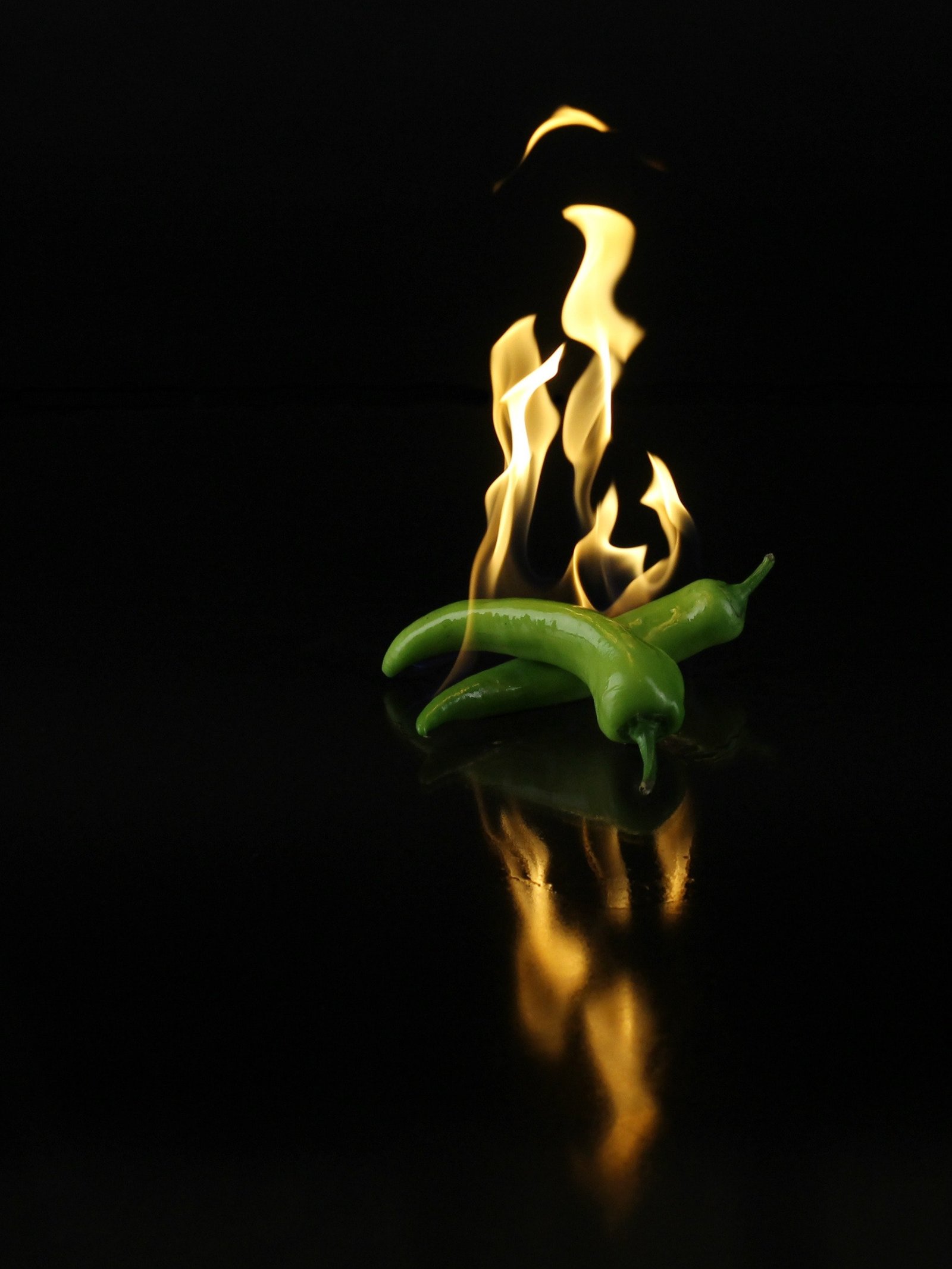
Introduction: When it comes to culinary delights, the fusion of two distinct cuisines often creates a remarkable gastronomic experience. One such tantalizing combination is the amalgamation of Arabic and South Indian flavors. The meeting of these two rich and diverse culinary traditions results in a feast for the senses, offering a unique blend of spices, aromas, and tastes. In this blog post, we will take you on a journey through the delectable world of Arabic-South Indian cuisine, exploring its origins, popular dishes, and the influence it has had on culinary cultures. The Origins of Arabic-South Indian cuisine: The historic trade routes between the Arabian Peninsula and the Southern states of India have played a significant role in the development of Arabic-South Indian cuisine. As traders from the Arabian lands ventured into the ports of Kerala, Tamil Nadu, and Karnataka, they brought with them an array of spices, herbs, and cooking techniques that infused perfectly with the vibrant South Indian culinary traditions. The Fusion of Flavors: At the core of Arabic-South Indian cuisine lies the artful blending of spices, creating a harmonious marriage of tastes. From the pungent cardamom, cinnamon, and cloves to the fiery red chili peppers and the earthy cumin and coriander seeds, these spices find their way into an array of dishes, adding depth and complexity to the flavors. Popular Arabic-South Indian Dishes: 1. Kabsa Biryani: A marriage of the Arabic and South Indian biryani, Kabsa Biryani is a fragrant rice dish cooked with aromatic spices, basmati rice, and succulent pieces of meat, usually chicken or lamb. The addition of South Indian spices like curry leaves and turmeric adds a unique twist to this already delicious dish. 2. Malabar Chicken Shawarma: A fusion of the traditional Middle Eastern shawarma and the flavors of Malabar, this dish features succulent pieces of marinated chicken, cooked to perfection on a rotisserie. The marinade, infused with South Indian spices like black pepper, ginger, and garlic, gives it a distinct flavor. 3. Arabian Kozhikode Biryani: Derived from the famous Kozhikode Biryani of Kerala, this variation incorporates Arabic spices like sumac and baharat, transforming it into a unique culinary delight. Cooked with fragrant basmati rice, succulent meat, and a rich blend of spices, this biryani is sure to leave you craving for more. Influence on Culinary Cultures: The fusion of Arabic and South Indian cuisine has not only captivated the taste buds but also influenced culinary cultures across continents. With the growing popularity of Arabic-South Indian restaurants and food trucks, this unique fusion has gained recognition as a culinary trend. The combination of bold flavors and exotic tastes has made it a favorite among food enthusiasts who seek out new and exciting gastronomic experiences. Conclusion: The fusion of Arabic and South Indian cuisine brings together the best of both culinary traditions, creating a tantalizing and unforgettable dining experience. The aromatic spices, expertly blended flavors, and the infusion of cooking techniques make Arabic-South Indian dishes a treat for both the adventurous foodie and the comfort food lover. Whether you crave a spiced biryani or a savory kebab, indulging in the fusion of Arabic and South Indian flavors is sure to take your taste buds on a delightful journey. So, why wait? Dive into the world of Arabic-South Indian cuisine and savor the magic! To get a holistic view, consider http://www.bestindianfoods.com To get a better understanding, go through http://www.onlinebanat.com
Leave a Comment:
SEARCH
Recent News
- Zurich, Switzerland is known for its multicultural atmosphere and diverse culinary scene. One of the lesser-known gems of Zurich's food scene is Sudanese cuisine. Sudanese cuisine is a reflection of the country's diverse cultural influences, blending Arabic, African, and Mediterranean flavors to create a unique and delicious culinary experience.
- Zurich, Switzerland: A Culinary Journey through Regional Cuisine
- Zurich, Switzerland is known for its stunning landscapes, rich history, and vibrant culture. However, another aspect of Zurich that shouldn't be overlooked is its diverse and delicious fast food scene. From traditional Swiss street food to international favorites, there is something to satisfy every craving in Zurich. Let's take a closer look at some of the popular fast food options you can find in this picturesque city.
- Zurich, Switzerland is known for its stunning natural beauty, vibrant arts scene, and strong economy. However, what many people may not know is that this dynamic city also offers a diverse culinary experience that includes delicacies from around the world. One such cuisine that has found a home in Zurich is Philippine cuisine.
- Zurich, Switzerland is known for its picturesque views, stunning architecture, and vibrant cultural scene. Located in the heart of Europe, Zurich offers a mix of traditional Swiss cuisine and international flavors. One particular cuisine that has been making waves in Zurich is Paraguayan cuisine.
- Zurich, Switzerland is a city known for its stunning views, picturesque streets, and vibrant culture. It is also a melting pot of diverse culinary influences, with a wide range of cuisines to choose from. One such cuisine that has made its mark in Zurich is Norwegian cuisine.
- Zurich, Switzerland, and Montreal, Canada, are two vibrant cities known for their distinct cultural characteristics. While Zurich is renowned for its picturesque landscapes, rich history, and high standard of living, Montreal is famous for its diverse population, vibrant arts scene, and mouth-watering cuisine. In this blog post, we will delve into the delectable culinary offerings of Montreal and explore how its unique food scene sets it apart from the culinary landscape of Zurich.
- Zurich, Switzerland is a vibrant city known for its stunning architecture, picturesque landscapes, and diverse culinary scene. While Swiss cuisine certainly holds a special place in the hearts of many locals and visitors, the city also boasts a variety of international dining options, including Latin American food.
READ MORE
11 months ago Category : indianspecialty

Zurich, Switzerland is known for its multicultural atmosphere and diverse culinary scene. One of the lesser-known gems of Zurich's food scene is Sudanese cuisine. Sudanese cuisine is a reflection of the country's diverse cultural influences, blending Arabic, African, and Mediterranean flavors to create a unique and delicious culinary experience.
Read More →11 months ago Category : indianspecialty

Zurich, Switzerland: A Culinary Journey through Regional Cuisine
Read More →11 months ago Category : indianspecialty

Zurich, Switzerland is known for its stunning landscapes, rich history, and vibrant culture. However, another aspect of Zurich that shouldn't be overlooked is its diverse and delicious fast food scene. From traditional Swiss street food to international favorites, there is something to satisfy every craving in Zurich. Let's take a closer look at some of the popular fast food options you can find in this picturesque city.
Read More →11 months ago Category : indianspecialty
