Exploring the Vibrant Colors of North Indian Cuisine
Category : indianspecialty | Sub Category : indianspecialty Posted on 2023-10-30 21:24:53
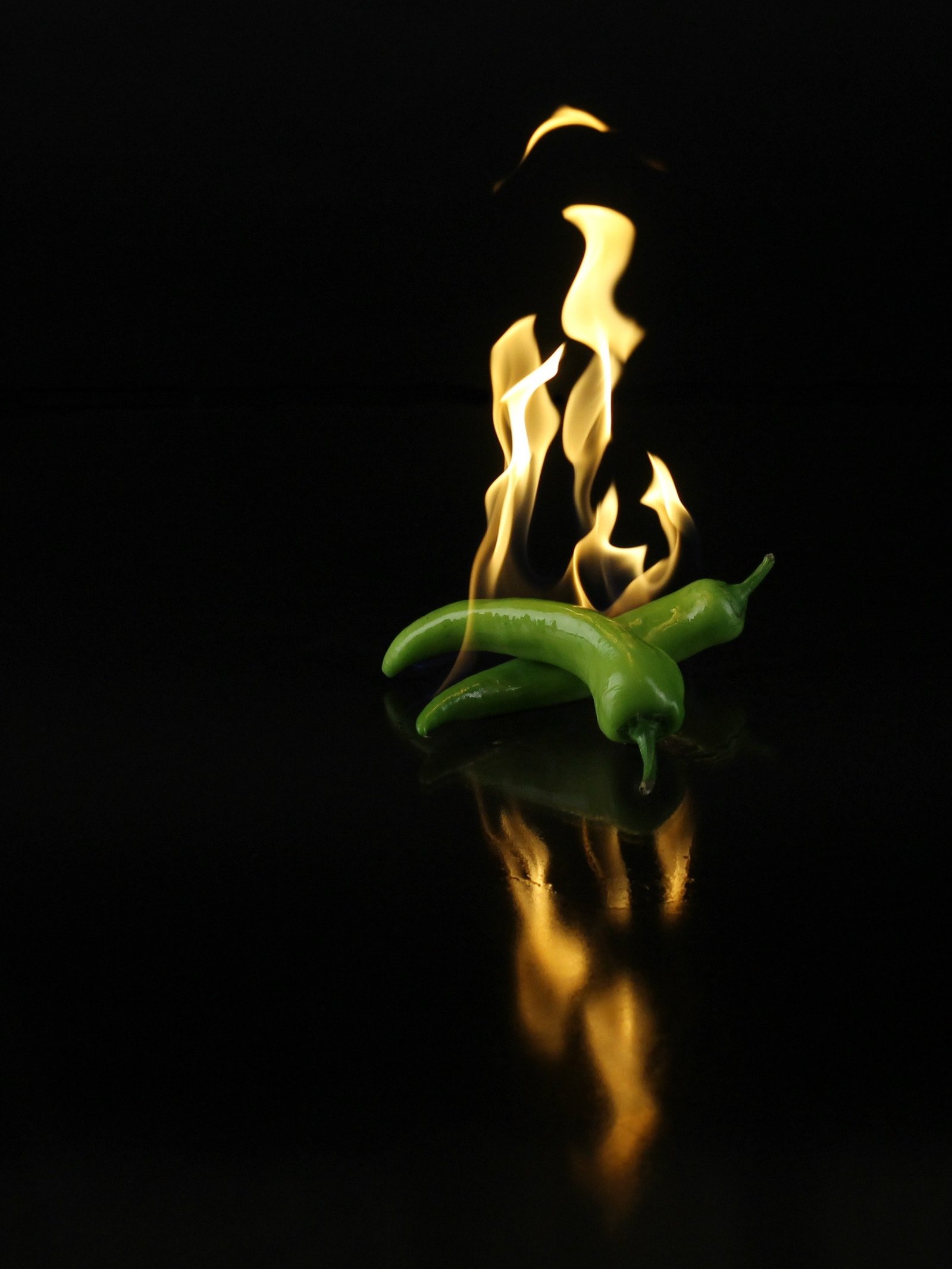
Introduction: North Indian cuisine is renowned for its rich and diverse flavors, but it's also noteworthy for its visually striking and vibrant colors. From the bright red of tomato-based curries to the golden hues of saffron-infused dishes, the visual appeal of North Indian cuisine adds an extra dimension to the dining experience. In this blog post, we will dive into the colorful world of North Indian cuisine and uncover the stories behind its vibrant palette. 1. Red: The Color of Fiery Spices One cannot think of North Indian cuisine without picturing the fiery red curries. Whether it's the iconic Butter Chicken or the popular Rogan Josh, the tantalizing red color in these dishes comes from a blend of spices like dried red chilies, paprika, and Kashmiri red chili powder. These spices not only provide the signature heat but also contribute to the enticing visual richness of the cuisine. 2. Yellow: A Dash of Sunshine The vibrant yellow color in North Indian cuisine owes its existence to various ingredients like turmeric, saffron, and mustard oil. Turmeric, with its earthy and slightly bitter taste, is a common spice used in many North Indian recipes. The vibrant yellow hue it imparts to dishes like Malai Kofta and Aloo Gobi adds a touch of sunshine to the plate. Similarly, saffron, known as the "king of spices," is responsible for the golden glow of biryanis and desserts like Gulab Jamun. 3. Green: Freshness and Vitality North Indian cuisine boasts an array of green dishes that showcase the use of fresh herbs, leafy greens, and spices like coriander and mint. Palak Paneer, a popular dish made with spinach and cottage cheese, is a prime example of the vibrant green color that signifies freshness and vitality. The use of coriander and mint chutneys in street food favorites like samosas and pakoras also add a refreshing burst of green. 4. Brown: Earthy and Nutty Tones The various shades of brown in North Indian cuisine offer a pleasant contrast to the other vibrant colors on the plate. Ingredients like ghee (clarified butter), cashews, and almonds give dishes like Shahi Paneer and Korma their distinctive nutty and earthy tones. The slow cooking process and the addition of warm spices like cinnamon, cardamom, and cloves contribute to the depth of flavor and the beautiful brown hues. Conclusion: The captivating colors of North Indian cuisine not only enhance the visual appeal of the dishes but also symbolize the rich flavors and cultural diversity of the region. From the fiery reds to the sunny yellows, the fresh greens, and the earthy brownsthe color palette of North Indian cuisine adds a vivid and enticing dimension to the dining experience. So, next time you savor the flavors of this cuisine, take a moment to appreciate the artistic display of colors on your plate. Here is the following website to check: http://www.colorsshow.com Want a more profound insight? Consult http://www.bestindianfoods.com
Leave a Comment:
SEARCH
Recent News
- Zurich, Switzerland is known for its multicultural atmosphere and diverse culinary scene. One of the lesser-known gems of Zurich's food scene is Sudanese cuisine. Sudanese cuisine is a reflection of the country's diverse cultural influences, blending Arabic, African, and Mediterranean flavors to create a unique and delicious culinary experience.
- Zurich, Switzerland: A Culinary Journey through Regional Cuisine
- Zurich, Switzerland is known for its stunning landscapes, rich history, and vibrant culture. However, another aspect of Zurich that shouldn't be overlooked is its diverse and delicious fast food scene. From traditional Swiss street food to international favorites, there is something to satisfy every craving in Zurich. Let's take a closer look at some of the popular fast food options you can find in this picturesque city.
- Zurich, Switzerland is known for its stunning natural beauty, vibrant arts scene, and strong economy. However, what many people may not know is that this dynamic city also offers a diverse culinary experience that includes delicacies from around the world. One such cuisine that has found a home in Zurich is Philippine cuisine.
- Zurich, Switzerland is known for its picturesque views, stunning architecture, and vibrant cultural scene. Located in the heart of Europe, Zurich offers a mix of traditional Swiss cuisine and international flavors. One particular cuisine that has been making waves in Zurich is Paraguayan cuisine.
- Zurich, Switzerland is a city known for its stunning views, picturesque streets, and vibrant culture. It is also a melting pot of diverse culinary influences, with a wide range of cuisines to choose from. One such cuisine that has made its mark in Zurich is Norwegian cuisine.
- Zurich, Switzerland, and Montreal, Canada, are two vibrant cities known for their distinct cultural characteristics. While Zurich is renowned for its picturesque landscapes, rich history, and high standard of living, Montreal is famous for its diverse population, vibrant arts scene, and mouth-watering cuisine. In this blog post, we will delve into the delectable culinary offerings of Montreal and explore how its unique food scene sets it apart from the culinary landscape of Zurich.
- Zurich, Switzerland is a vibrant city known for its stunning architecture, picturesque landscapes, and diverse culinary scene. While Swiss cuisine certainly holds a special place in the hearts of many locals and visitors, the city also boasts a variety of international dining options, including Latin American food.
READ MORE
11 months ago Category : indianspecialty

Zurich, Switzerland is known for its multicultural atmosphere and diverse culinary scene. One of the lesser-known gems of Zurich's food scene is Sudanese cuisine. Sudanese cuisine is a reflection of the country's diverse cultural influences, blending Arabic, African, and Mediterranean flavors to create a unique and delicious culinary experience.
Read More →11 months ago Category : indianspecialty

Zurich, Switzerland: A Culinary Journey through Regional Cuisine
Read More →11 months ago Category : indianspecialty

Zurich, Switzerland is known for its stunning landscapes, rich history, and vibrant culture. However, another aspect of Zurich that shouldn't be overlooked is its diverse and delicious fast food scene. From traditional Swiss street food to international favorites, there is something to satisfy every craving in Zurich. Let's take a closer look at some of the popular fast food options you can find in this picturesque city.
Read More →11 months ago Category : indianspecialty
